
By Angelica Perry, DO
Osteopathic treatment seeks to remove biomechanical restrictions to blood, lymph, and nerve flow while coordinating the nervous system for optimum function.
The autonomic nervous system is the part of our brains and spinal cords that regulates unconscious body processes, like pumping blood and sleeping. It is also involved in functions that require some conscious control, such as breathing and urinating. There is a balance between our sympathetic autonomic nervous system (i.e., surviving: fight or flight) and our parasympathetic autonomic nervous system (i.e., thriving: rest and digest). Unsafe environments, traumatic events, and other factors can upset the relationship between these two sets of controls. The Edgar Cayce Readings recommended hydrotherapy, massage, and osteopathic manipulative treatments to rebalance or coordinate the autonomic nervous system.
The words “osteopath” or “osteopathy” are found in the text of 3,560 readings.
With the corrective forces as will be made through those of adjustments OSTEOPATHICALLY given, and the massage following the same, two of the general treatments to one of the [specific] adjustment treatments should be given. These should be given at least every week, two general, one corrective…” (53-1) “We would take, now, about twice each week, the osteopathic manipulations—a general manipulation at one treatment and a specific adjustment at the next, as has been indicated.” (1844-2)
A general treatment might consist of full-body therapy that inhibits the sympathetic system, stimulates the parasympathetic system, promotes lymphatic flow, and passively moves the body through a variety of motions that stretch muscles and rotate joints. A specific treatment targets spinal segments, other joints, or fascial structures that are restricted, particularly locations that may affect autonomic, motor, or sensory nervous control to the areas of concern. The Cayce/Reilly® School of Massage teaches a full-body routine that constitutes an osteopathically inspired general treatment. Dr. Reilly taught massage therapists to perform a routine on patients before administering specific spinal adjustments.
What is the difference between chiropractors and osteopaths?
In the United States, osteopaths are licensed physicians while chiropractors are not. Almost all chiropractors provide spinal adjustments, while many osteopaths do not. Students of osteopathic medicine learn the basics of spinal manipulations, but some go on to specialize in kidney, heart, skin, stomach, or other branches of medicine. Many specialists may not refine their hands-on skills. Neither chiropractors nor medical doctors are taught about osteopathic principles or treatment, but some go on to learn and adopt an osteopathic model of practice.
Osteopathic physicians who complete a residency in neuromusculoskeletal medicine (NMM), physical medicine and rehabilitation, or sports medicine, spend additional time becoming proficient in palpation and manipulative treatment as well as with injections and other interventions. As an NMM specialist, I’m trained to perform hands-on treatment for healthy patients of all ages and for patients with complicated conditions such as rheumatoid arthritis or prior spinal surgery.
Then, the SCIENCE of osteopathy is not merely the punching in a certain segment or the cracking of the bones, but it is the keeping of a BALANCE—by the touch—between the sympathetic and the cerebrospinal system! THAT is real osteopathy! With the adjustments made in this way and manner, we will find not only helpful influences but healing and an aid to any condition that may exist in the body, unless there is a broken bone or the like!” (1158-24)
Recently, I reread A. T. Still: From the Dry Bone to the Living Man by John Lewis. John Waitekus, MD, was kind enough to loan me his copy. John and I have known each other through the A.R.E. community since before either of us knew we would become physicians. It is an inspiring book about the development and emergence of osteopathy during the same period when Edgar Cayce was giving readings (1901- 1945). A.T. Still described osteopathy as the logical way to stimulate the innate healing abilities within each body. An active member of the spiritualist community, he was known to have displayed psychic abilities on many occasions. It was not uncommon to have the ‘old doctor’ arrive at a home where there was a great need for his services, though he had not yet been summoned. Like Edgar Cayce, Dr. Still was hesitant to charge for his work and many times offered his services at no cost to those who earnestly desired healing.
Know thyself and be at peace with God.” A. T. Still, 1912
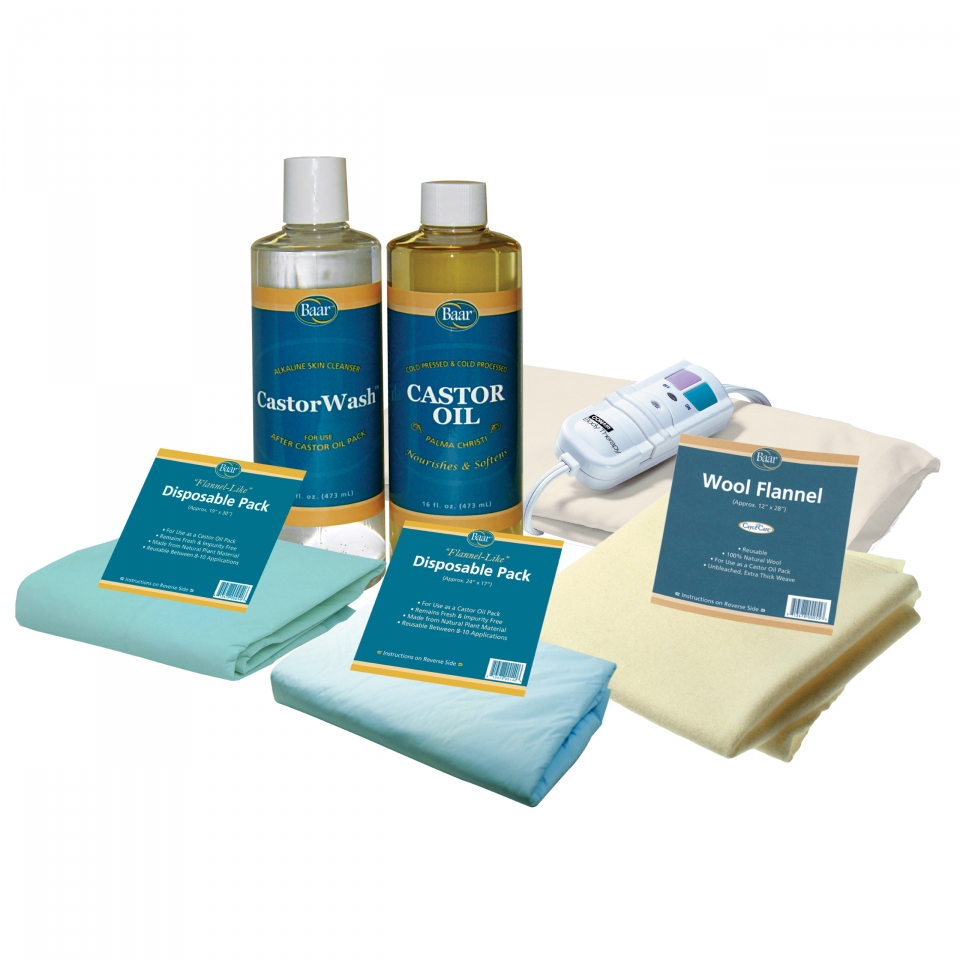
Osteopathic manipulative treatments were recommended routinely in the Edgar Cayce Readings as part of complex treatment plans. Spinal manipulations were suggested to relieve, relax, and coordinate various portions of the system. Recommendations often involved making dietary changes, altering mental patterns or beliefs, practicing exercise, meditation, and forgiveness, and applying a variety of other therapies like steam baths, castor oil packs, and massage.
Doctors Bill and Gladys McGarey operated the A.R.E. Clinic in Phoenix, Arizona, from 1970-1990. Seekers came to the clinic to explore using the suggestions given in the readings under the guidance of a physician. This option was lost for decades, but recently, I began offering treatments in Virginia Beach. Osteopathic hands-on spinal manipulations and Cayce-based medical evaluations are now available at the A.R.E. Health Center and Spa. To find an osteopathic physician who practices hands-on treatment in your local area, check the website of the American Academy of Osteopathy (https://www.academyofosteopathy.org/find-a-physician#/) or search for a neuromusculoskeletal medicine (NMM) specialist online.
Dr. Perry is an osteopathic physician who specializes in Family Practice and Neuromusculoskeletal Medicine. She offers Cayce-based medical consultations, evaluations, and hands-on osteopathic treatments at the A.R.E. Spa and other VA locations.
Leave a Reply